
Lessons from the World Cup.
What you learned if you were paying attention.
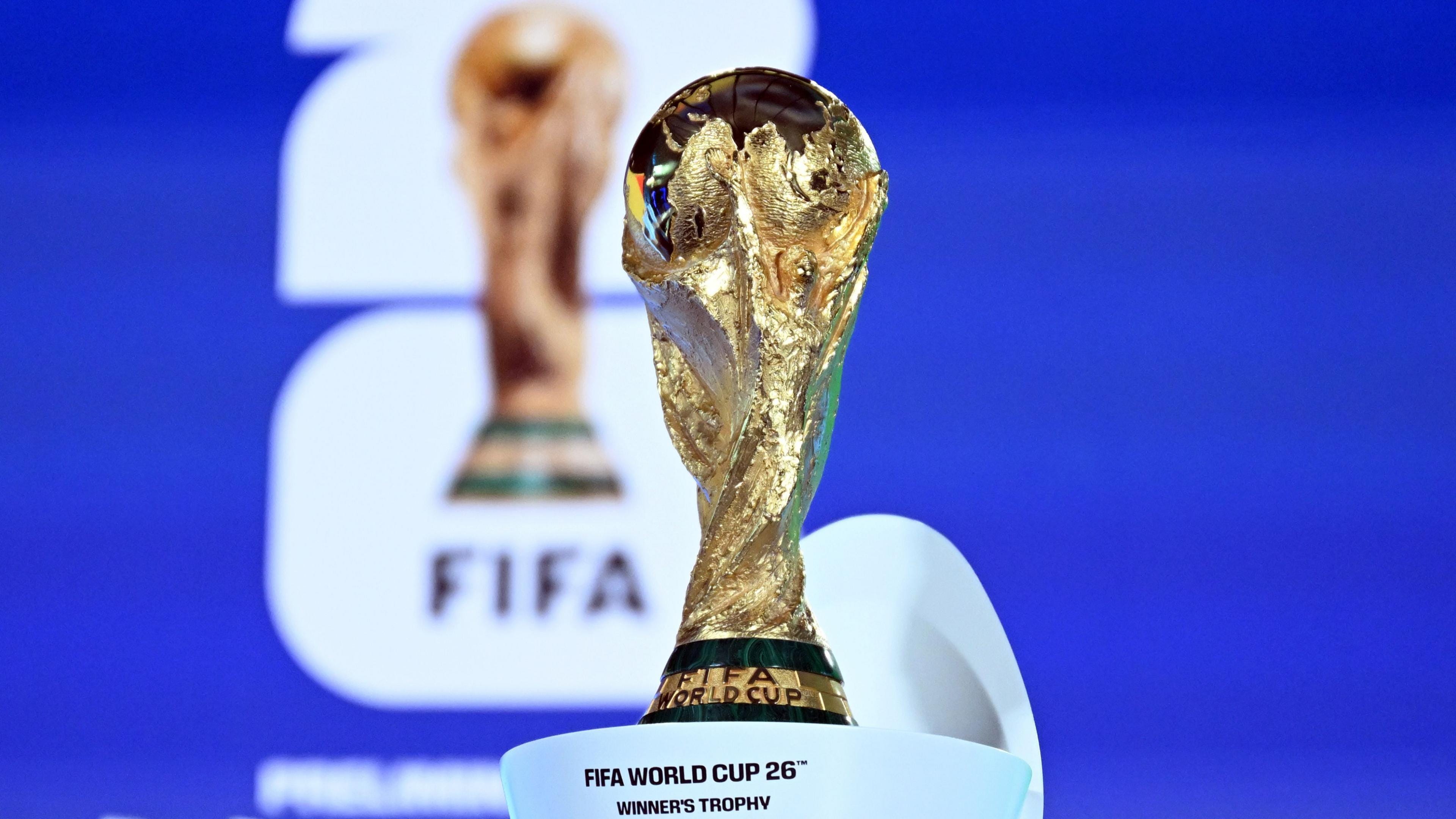
Photo: Getty Images
By all accounts, the recently concluded 2026 soccer World Cup was wildly successful, with an estimated 1.5 billion people (66 million in the US alone) tuning in to watch the final match as Spain beat a pitiful Argentina. And with FIFA, the sport’s governing body, expected to rake in a record $15 billion. But as exciting as this quadrennial tournament was, here are five conclusions you should have gleaned from it.
1. FIFA is still as corrupt as it’s always been. Going back to when it held the 1934 World Cup in Italy to legitimize the regime of Benito Mussolini, the organization has always been willingly subject to political and financial influence. This time around, FIFA president Gianni Infantini bowed to the wishes of Donald Trump and reversed a red card penalty imposed on US striker Falorin Balogun. Bad idea, Gianni.
2. Like many a European national leader, Infantini believed flattering and accommodating Trump was the way to keep him from causing problems. Infantini even awarded Trump a made-up “FIFA Peace Prize” to compensate the narcissistic man-baby for being passed over for the Nobel Prize he so publicly lusts after. But coddling Trump is always a mistake because...
3. Trump can’t help being an obnoxious jerk. In addition to sticking his nose into an officiating decision, he insisted on personally awarding the World Cup trophy to the winning team (even though the US was only one of three co-host nations). And then hung around so he’d be included in the team’s celebratory photo (the Spanish later edited him out). Yet, despite Trump’s boorishness and cruel immigration policies...
4. Some 5 million foreign visitors flocked to the US to view the games and sightsee. And, as the AP reported, they liked what they saw:
Most World Cup tourists have agreed on one thing: Americans are hospitable. Locals cheered alongside international fans for their teams at sports bars, parades through city streets and, of course, World Cup matches.
5. But the biggest takeaway of all can be found simply by looking at the makeup of the various national teams. Almost every one is composed of players representing a mixture of races, ethnicities and national origins. For example, French star and Golden Boot winner Kylian Mbappé’s parents were from Cameroon. While US standout Balogun’s are Yoruba Nigerians.
Which just goes to show that the world’s countries (or at least their soccer establishments) have discovered the enormous advantages of inclusion, the strengths of diversity and the benefits of equality. DEI makes a country — and a soccer team — better. A lesson white supremacists like Elon Musk and Stephen Miller will never learn.